

This track includes ten minutes of meditation practice; if that feels like a lot to you, maybe start at the beginning!
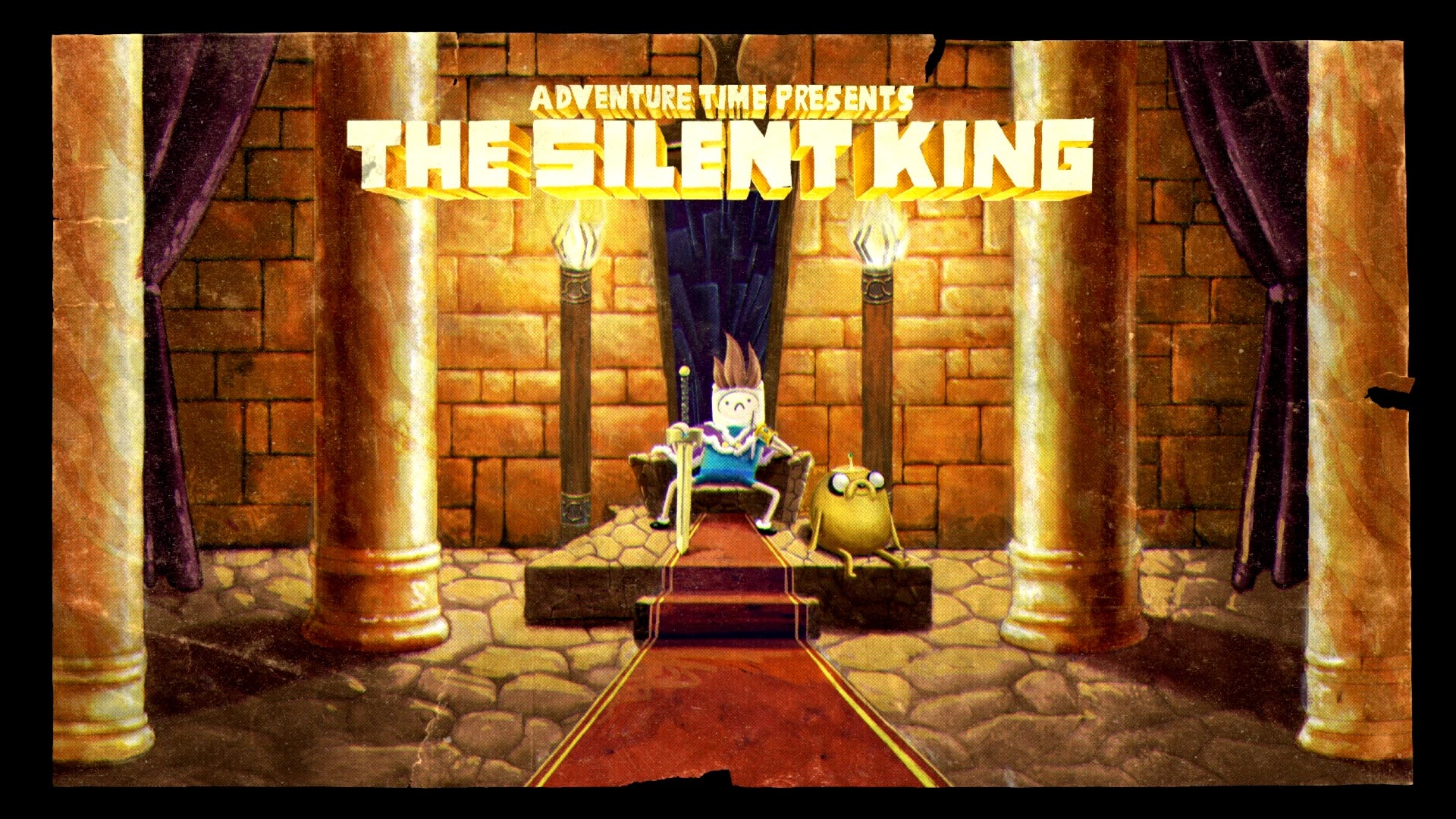
Turn on the TV, get comfy, and play this track after you’ve watched the episode: The Silent King (Season Two, Episode Fourteen).
CW: Use of word “wimp,” reference to baby blue as a boy’s color. (P.S. in case you needed more evidence that gender is dangerous. 😉😷😅)
Mentioned in this episode: Rebecca Solnit’s A Paradise Built in Hell, David Graber, Dean Spade’s Mutual Aid, and some context for prison population, its ties to systemic racism and forced labor slavery, and a reference to American imperialism and the effects of corporal punishment. (These can be heavy, so take your time learning more!)
P.S. If you’re curious, here you can find out why I started this project.
Recording Transcript (Meditation Begins at 6:07)
Hello again, adventurer!
I hope you’re ready to set your buns ablaze with equanimity. To spank them with the meditation cushion until your mind is subdued and closely following all the rules.
Nah. Obviously that’s the opposite of what we’re doing here.
Because coercion and domination don’t work. At least not in a lasting way. Sure, there are moments where direct action is needed, where poor goblins who don’t (yet) know how to take care of themselves need to be defended.
But no king, even a good one, can actually create a world of care, nor can help us overcome the compulsive feeling that we deserve to be spanked (which is sadly, a pretty strong feeling for many of us, especially those of us who were spanked and carry the effects of it - maybe different link - through our lives).
This all reminds me of troubling language I heard a lot growing up. People in my religious community would share testimony to the effect of: “If it wasn’t for Jesus, I would a be a murderer / abuser / or we could insert any other harmful act (or easily judged-as-unworthy type of person) here.”
I’m not trying to question that religion, or ethical commitments, can shape character in supportive ways. What I am trying to question is the toxic ideology that makes people believe that they (and everyone around them) need to be disciplined. That “If there isn’t a king to tell me to not start a riot, I could start a riot then?”
It’s this kind of thinking that causes us to (collectively) consent to political and economic leaders who actually don’t take care of us, or don’t take care of all of us. It’s a feeling of fear. That every scary or unkind or harmful thought that we have speaks to some inner truth that we are evil or bad. That if we don’t punish ourselves, then we won’t behave.
And the flip side of this thinking is that because we behave so well, because we follow all the rules, that we deserve to be protected. And, inversely, that those who don’t “behave” deserve to be locked up, or poor, or uncared for. This kind of thinking is what has led to a place with the highest prison population, which disproportionately targets people of color, and openly condones slavery in the form of forced labor. (And here I’m referring to the empire often called the “United States” - but many similar patterns can be observed elsewhere in the world too. And the adverse effects of US empire on the world are vast and far-reaching).
So, as it turns out, the consequences of our impulse to have our hams spanked is, well… really consequential. And perhaps especially devastating is the fact that, in situations of actual crisis, this idea that people need to be controlled, need to be “saved from themselves” actually isn’t born out in reality.
Rebecca Solnit’s A Paradise Built in Hell, examines five real-world disasters, and reveals the unexpected generosity, community support, even joy that surfaces alongside the devastation. She acknowledges that “human nature” is, of course, complicated, but also concludes:
The study of disasters makes it clear that… the prevalent human nature in disaster is resilient, resourceful, generous, empathic, and brave…. Were we to know and believe this, our sense of what is possible at any time might change. We speak of self-fulfilling prophesies, but any belief that is acted on makes the world in its image. Beliefs matter. (8,3)
In other words, there is a lot of propaganda that goes into making us believe that we are innately horrible, selfish and self-seeking creatures who need to be spanked lest we destroy each other and ourselves. And in fact, focusing on, or fearing, this imagined sense of self all the time probably only serves to make it bigger, and more dangerous.
There are a lot of different frames of thought that work to help us imagine other worlds organized around our sense of interdependence and care. Some of them are mutual aid. Abolition. And anarchy. (If you’re interested in exploring these ideas further). Most of these emphasize, in one way or another, that most rules aren’t actually set up to take care of you. And unless you play a part in choosing the rules (together with others affected by them), it’s probably a good call to think seriously and critically about how the rules might be different.
Because (to quote David Graeber) “The ultimate hidden truth of the world is that it is something that we make and could just as easily make differently.”
But, in the spirit of actually meditating, I’ll wrap this with a couple quotes from Dean Spade’s book Mutual Aid.
“To imagine a society where we… have everything we need and don’t rely on coercion and domination, we have to shed the capitalist propaganda that tells us people are naturally greedy, and that without police keeping us in our places we would all hoard and harm.”
And, in the spirit of today’s episode, he acknowledges the challenge of this because:
“Most of us have never been in groups that had fair, participatory, transparent structures.”
But maybe the best king is really just a cardboard box with a face; which is to say, no king at all.
I don’t know if I can cure you of your groundless fears. But for now, let’s put our hams away and prepare for the unfamiliar feeling of a friendly touch.


